
INSECT AND TREE DISEASE MANAGEMENT
Even the hardiest desert trees in Tucson can fall victim to common diseases and insect infestations, which, if left untreated, can severely compromise their health, vigor, and even lead to their demise. One of the most prevalent tree diseases we encounter in our arid climate is Texas Root Rot (also known as Cotton Root Rot). This aggressive soil-borne fungus can strike quickly, causing otherwise healthy trees (like citrus, Chinese elms, and many ornamentals) to wilt suddenly, develop bronzed leaves that remain attached, and rapidly decline within days or weeks. Unfortunately, by the time symptoms appear above ground, the root system is often too far gone, making it crucial to understand the risk and consider preventative measures or careful planting choices. Another common tree disease is Sooty Canker Disease, particularly affecting desert willows, mulberries, and palo verdes. This fungal tree disease thrives in our heat, entering through wounds and causing sudden wilting, dark sunken areas on branches, and even rapid tree death within a single growing season.
Beyond diseases, several insect pests commonly plague Tucson’s trees. Palo Verde Root Borers are a significant concern, especially for palo verde trees (and other broad-leafed species). While the large adult beetles are intimidating, it’s their grub-like larvae that feed extensively on tree roots underground for years, gradually weakening and eventually killing the tree. Another widespread nuisance are Aphids and Scale Insects, tiny sap-sucking pests that cluster on leaves and stems of many tree types, including citrus, mesquites, and ash. Their feeding can cause yellowing, stunted growth, distorted leaves, and the production of sticky “honeydew,” which often leads to unsightly Sooty Mold – a black fungus that grows on the honeydew. For these common threats, early identification and proper management are paramount. Branching Out Tree Service offers specialized insect and tree disease management programs, utilizing targeted treatments and cultural recommendations to protect your valuable trees and ensure their long-term health and beauty.
KEEP AN EYE OUT FOR THESE PROBLEMATIC SIGNS

Mistletoe, Oozing, or Dieback on Branches/Trunk:
- Tuberous growth coming from a distended knot in the tree. It consumes the tree’s water supply and weakens it making it prone to other issues like insect and fungal infestation. It also weakens the branches, if left unmanaged these branches can break under the added stress.
- Sunken, Discolored Areas (Cankers): These are localized dead areas on branches or the trunk, often discolored or sunken, which can be caused by fungal diseases (like Sooty Canker).
- Sap or Ooze from the Bark: Unexplained sap or gummy exudate coming from the bark can indicate insect boring activity (e.g., borers) or a fungal infection.
- Branch Dieback: If specific branches (especially at the top or ends) suddenly start dying back from the tip, with leaves shriveling and turning brown, it can be a sign of a root problem, vascular disease, or insect infestation.
Visible Insect Activity or Evidence:
- Holes in Leaves or Bark: Chewing holes in leaves point to caterpillars or beetles. Small, perfectly round holes in the bark can indicate borers.
- Sticky Residue (Honeydew) and Sooty Mold: If you see a clear, sticky substance on leaves, branches, or even on the ground/cars beneath the tree, it’s likely honeydew excreted by sap-sucking insects like aphids or scale. This often leads to a black, powdery “sooty mold” growing on top of it.
- Webbing: Fine webbing on leaves or branches, especially at branch tips, can indicate spider mites or specific types of caterpillars.
- Actual Pests: Obviously, seeing an unusual number of insects on your tree, whether small aphids, larger beetles, or their larvae, is a clear sign.

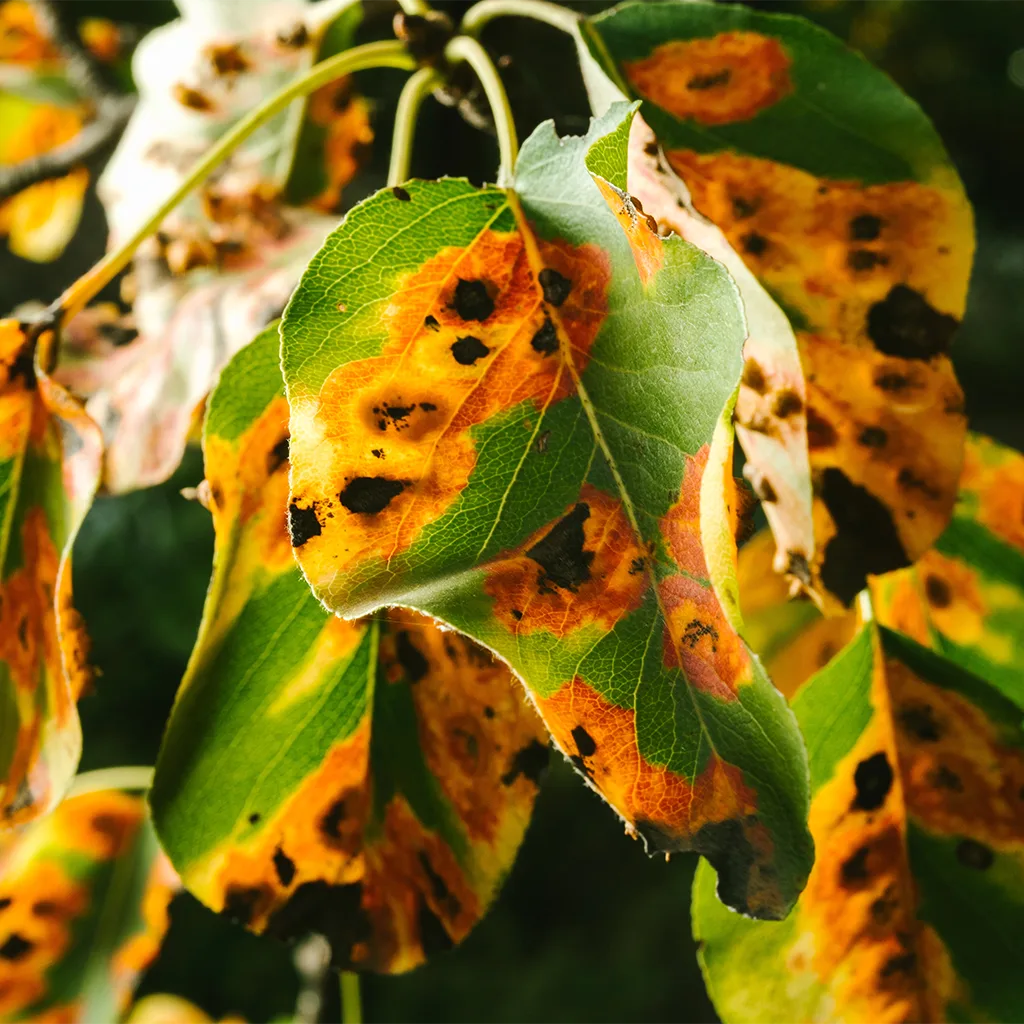
Unusual Leaf Discoloration or Spots:
- Yellowing Leaves (Chlorosis) with Green Veins: A very common sign in Tucson, especially for trees in our alkaline soils, often indicating an iron deficiency which can be caused by disease or poor nutrient uptake due to insects.
- Brown or Scorched Leaf Edges: Can indicate root issues (disease), drought stress, or sometimes pest damage.
- Unusual Spots or Lesions: Dark spots, target-like rings, or raised bumps on leaves that aren’t typical for the tree.
get your Free Estimate today!




FANTASTIC REVIEWS
I did a lot of research to find a company who would trim my four of my mesquite trees and... [Read More]
Jim and his crew have done work for us for 8 years now. I have 102 very tall mesquites on... [Read More]
I spent some time looking for a decent tree service that did not have over the top prices. I just... [Read More]